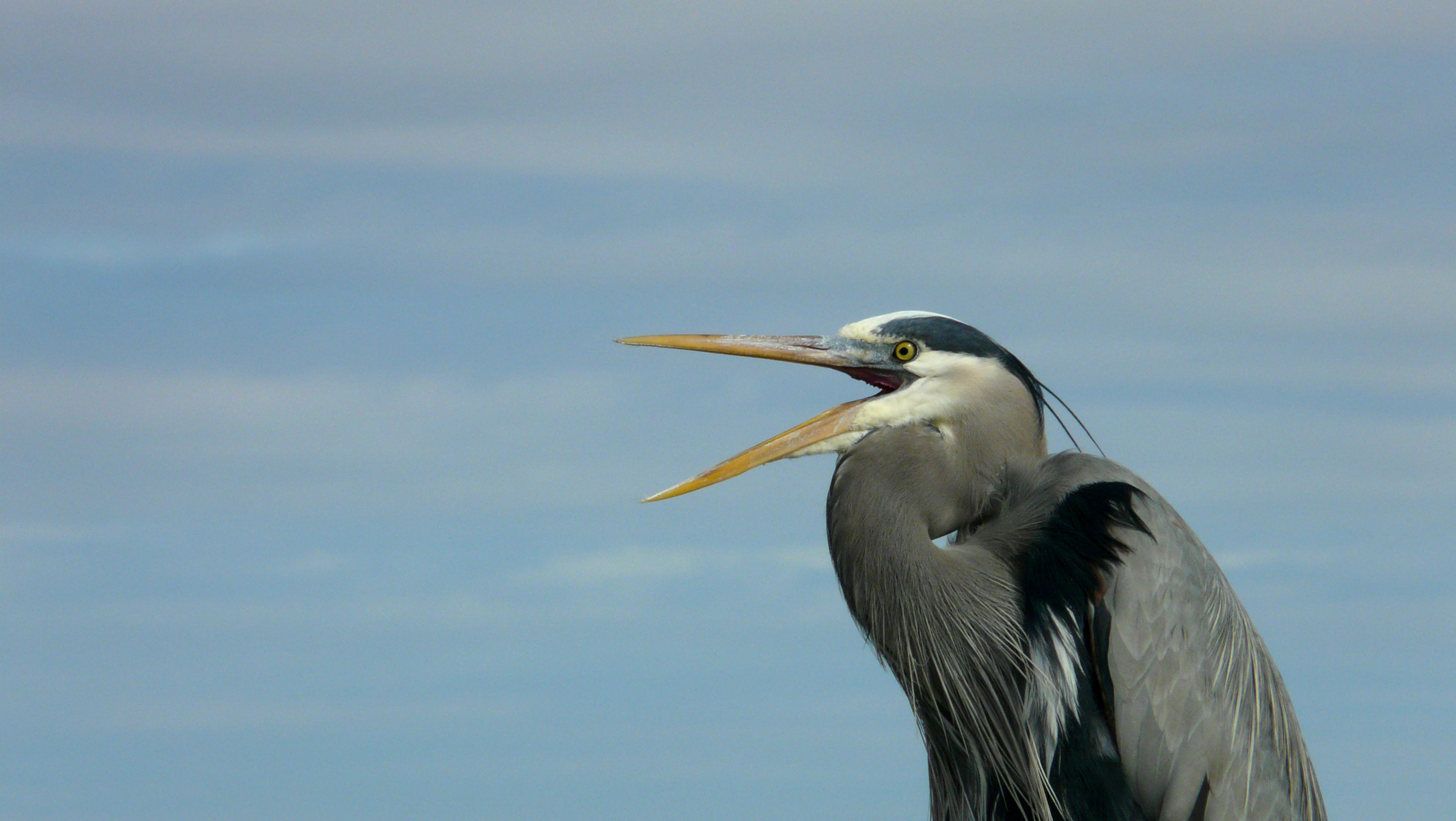
A few weeks ago, I found myself at a small, man-made pond. A series of stones jutted above the surface of the water to form a curved walking path through it. Koi fish, young and old, wove their lithe bodies around the stones, off on important business of their own. I watched a young couple in running attire step cautiously but easily across the stones, crossing from one end of the pond to the other while enjoying the view, surrounded by water.
A younger me — and really, a me from two years ago — would have been delighted by this scene and set off confidently onto the stones so that I could get a closer look at the fish. I’d probably pause at the stone in the center of the pond, crouch down onto my haunches, search for water bugs, and dip my fingers in. I’d pretend to be a heron. The possibility of losing my balance and falling into the water wouldn’t cross my mind. I might even hop between the stones.
I slowly stepped onto the first stone, and then the second. I hesitated between the second and third stones, feeling dizzy and uncertain. My uncertainty began to slide towards panic, so I turned around and returned to dry land. Part of me remained standing on the second stone and staring at the third, and I left that part behind.
Growing up, I trusted my body to carry me safely from one place to another. I learned soccer, ballet, swimming, and tennis, competing in the latter for more than ten years. My body’s strength and agility became some of my greatest sources of confidence and identity. In the water, I felt like a fish, nearly as comfortable there as I was on land.
Somewhere along the road, I became injured. Then I became injured again, and again. My injuries never seemed to fully heal. Walking started being painful and never stopped. I cycled between periods of being functional and periods of such severe pain that I couldn’t move or eat, let alone go to class or compete.
This has continued into my adulthood, through an endless stream of testing, treatments, and doctors whose names and faces blur in my memory. I had robot-assisted surgery. I had a concussion. I mixed prescription drugs. I saw ten different physical therapists. I had my brain zapped four times a week for six months. I stopped playing tennis. I learned guitar. I shook uncontrollably in an emergency room waiting room. I went birdwatching. I lost too much blood. I paid to have even more blood sucked out of me, spun around in a centrifuge, and shot back into me. I watched snow falling outside my window. Life went on: sometimes with me, and sometimes without me.
I don’t feel like getting into the details of my diagnoses. It feels irrelevant. There are so many of them, and they are just words, which are really just letters. And I keep getting new ones. What am I meant to do with more letters? What does feel relevant is the fact that, for many different reasons, I lost trust in my body. It stopped feeling like a safe place, and then it stopped feeling like it was mine at all. And then, I became dizzy.
I became dizzy after a sudden and unexpected internal injury last summer, and I am often still dizzy. I almost passed out during my third day of classes at MIT, and I was dizzy when I graduated over a year later with my master’s this October. One can infer that I was dizzy in the interim between those events. And I wasn’t for all of it, but I was for enough of it. Enough for me to turn around instead of venturing one stone further into the pond. Enough for me to forget how to trust a body that I’ve built to be strong and capable. Because what good is capability without reliability? What good is strength when you lose your balance?
But perhaps I’ve also forgotten that if and when I fall in, I am a fish in water.


Leave a Reply