Welcome back, bird freaks. It’s been a hot minute since you last heard from me — 241,920 very hot minutes, to be exact. After confidently declaring that I would send out a newsletter every two weeks, I proceeded to fade in and out of perception for the summer months and completed exactly zero newsletters. Instead, I migrated, just like a bird would. However, instead of migrating north for the summer, I migrated deep into the bowels of my mind, and from there I now write to you. This newsletter is a bit different from those before it; I’d like to take some time to talk about mental health and the importance of connecting with nature.
“Will it still be funny?” you ask.
Maybe not. I have interspersed photos of wildlife and a littered water bottle to lighten the mood.

For as long as I can remember, I’ve felt more at home around plants and animals than around people. As a child, I retreated at recess to a corner of the playground away from the other kids to play with caterpillars, holding them gently in my hands to avoid smashing them. I remember the horror I felt when a childhood friend explained to me that she loved crushing ants because it was “fun”. Although I was abducted by entomophobic1 aliens at age 16 and re-programmed to instinctively fear bugs (this is the only plausible explanation for my sudden disgust toward my former friends), I do not need to hold them in my hands today to know that I still value them deeply.

It has not been a good year. Last September, I suffered a mental health crisis and left work on an extended medical leave. For the next two months, I couldn’t think hard enough to even solve a crossword puzzle without getting a headache. I struggled with PTSD, depression, anxiety, and chronic pain, all while coping with the social isolation of moving to a new city and breaking up with a long-term partner. Instead of recovering, I spent most of my medical leave fighting with insurance and stumbling painfully through the U.S. medical system. In one of the most traumatic experiences of my life, I was forced to prove over and over again that I was, in fact, ill, only to be systematically gaslit and denied benefits by multiple large corporations. My vendetta against privatized insurance — and capitalism — will outlive my mortal body. But I digress.

Since September, the only place where I’ve felt my worries and pain dissolve is in the woods. It isn’t permanent, but it is essential. There are measurable reasons; getting out into nature provides physical movement, exposure to sunlight, and a break from screen time. (If you are environmentally challenged, I encourage you to read further about the physical and psychological benefits of time spent in nature; I’ve linked resources at the end of this piece.) However, my greatest relief comes from somewhere deeper: a sense of community and oneness with the wildlife around me. I find it impossible to feel lonely when I am in nature. When I grieve, the weeping call of the Mourning Dove sings back to me the feelings that I can’t speak.2 When my heart races away from me and I float off the ground, I place my palm on the trunk of a tree and feel all the trees in the forest breathing with me.3 When I feel my most alone and unseen, the rising orchestra of crickets conducted by the Chuck-will’s widow at night4 remind me that even in the dark, I am utterly and hopelessly surrounded by life.

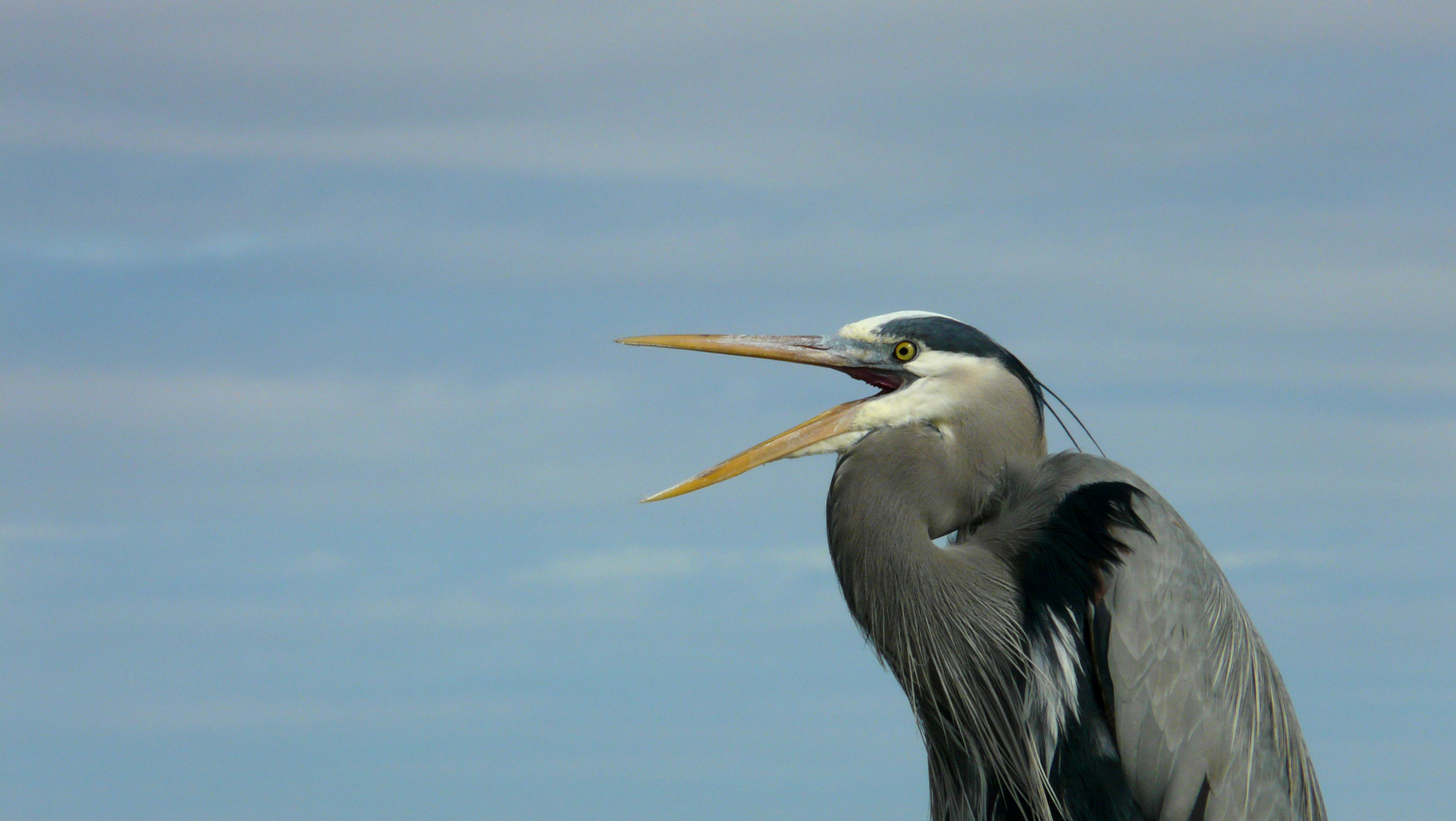
I took the photos in this article on August 6 at Hall’s Pond Sanctuary, my favorite place in Boston. I regularly disappear into the woods there when the rest of the world becomes too much.
- Entomophobia is a persistent and extreme fear of insects. While most people do not have this severe phobia, many of us experience some level of aversion to bugs. Some researchers argue that this is an evolved response to protect us from potentially dangerous animals, like venomous spiders and scorpions. Similarly to how we are disgusted by rotting food because it may carry disease, we may also experience a disgust response to bugs to keep us safe. As difficult as it can be to convince ourselves, most bugs are harmless.
- The Mourning Dove has a strikingly haunting mating call that reminds me of weeping. You may hear this sound and mistake it for an owl.
- In a healthy forest, all the trees are connected beneath the ground through a network of fungus known as a mycorrhizal network. Trees share resources with each other through this network, and the fungus benefits from the sugar that the trees generate, forming a symbiotic relationship.
- The Chuck-will’s widow is a member of the fascinating Nightjar family, a group of nocturnal birds with flat heads (just like mine), long wings, and huge eyes. Chuck-will’s widows primarily inhabit the southeastern United States. Here’s how they sounded from my backyard at home in Austin, Texas on a peaceful night back in April. Up in Boston, we encounter their relative, the Common nighthawk.
Further reading on the benefits of nature for mental health:
Nature and mental health (Mind)
Mental health benefits of nature (National Alliance on Mental Illness)
As always, feel free to get in touch. I’d love to hear from you!
Bird Freak
If you or someone you know is in crisis, please call, text or chat with the Suicide and Crisis Lifeline at 988. The Lifeline provides free, confidential, 24/7 hour services for anyone who needs support. You do not need to be suicidal or in crisis to use this service. FAQ
 Confessions of a bird freak
Leave a comment